
The Rock Climber’s Training Manual: A Comprehensive Guide
This manual blends the physicality of climbing with the cultural roots of “rock” – a dynamic energy born in 1950s America, evolving through artists like Elvis Presley and The Beatles.
Welcome to the comprehensive guide designed to elevate your climbing performance! This manual acknowledges the inherent “rock” within the sport – a nod to its origins in the energetic music of the 1950s, mirroring the dynamic power and rhythm required for successful ascents. Just as rock and roll evolved from its initial form, so too must your training adapt and progress.
Climbing demands a unique blend of strength, endurance, flexibility, and mental fortitude. This isn’t simply about brute force; it’s about efficient movement, strategic thinking, and a deep understanding of your body. We’ll explore how to build a foundation mirroring the evolution of rock music, from the raw energy of early pioneers like Elvis Presley to the sophisticated artistry of bands like The Beatles.
This guide will delve into specific training methodologies, drawing parallels to the dedication and innovation seen in musical legends like Jimi Hendrix and Bob Dylan. We’ll cover everything from finger strength development to core stability, antagonist muscle training, and mental visualization techniques. Remember, like the British Invasion’s impact on music, a holistic approach is crucial for maximizing your climbing potential. Prepare to unlock your full climbing capabilities!
II. Understanding Climbing Physiology
To truly optimize your training, a grasp of climbing-specific physiology is essential. Consider the energy and dynamism of rock and roll – a style that demanded physical expression from performers like Tina Turner and Courtney Love. Climbing similarly stresses specific systems within the body.
Forearm muscles endure intense, sustained contractions, requiring specialized strength and endurance. The core acts as a crucial stabilizer, transferring power between the upper and lower body. Leg strength isn’t merely about lifting your weight; it’s about precise footwork and maintaining balance, much like the rhythmic foundation of a rock song.
Furthermore, the cardiovascular system works overtime, delivering oxygen to working muscles. Understanding these physiological demands allows for targeted training. Just as the Beatles refined their sound, we’ll refine your body’s ability to perform. We’ll explore how different energy systems are utilized during various climbing styles, from bouldering’s explosive power to route climbing’s sustained endurance. Like Rock Hudson’s dedication to his craft, a focused understanding of your body is paramount for success and longevity in climbing.
III. Strength Training for Climbing
Strength training forms the bedrock of a successful climbing program. Much like the foundational rhythm section in rock and roll – think Led Zeppelin’s powerful drumming – a strong base allows for more complex movements. We’ll focus on building functional strength, meaning strength that directly translates to improved climbing performance.
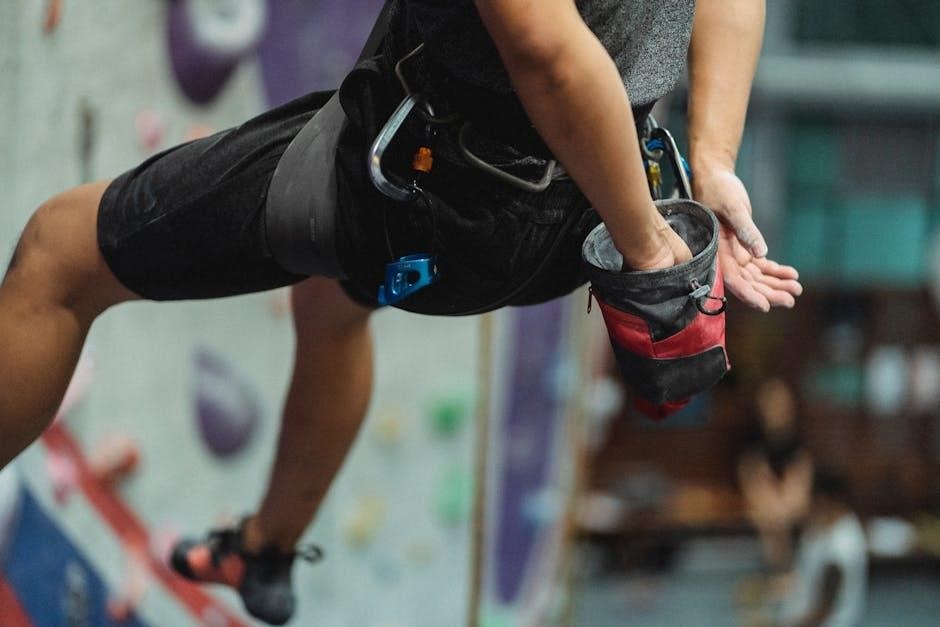
This isn’t about simply lifting heavy weights; it’s about developing strength in the specific muscle groups used during climbing. Exercises will target the back, shoulders, arms, and core. We’ll incorporate compound movements, like rows and pull-ups, to engage multiple muscle groups simultaneously, mirroring the full-body engagement required on the rock.
Consider the energy and stage presence of performers like Eric Clapton – a blend of technical skill and raw power. Similarly, our strength training will prioritize both. We’ll also address muscle imbalances, preventing injuries and optimizing movement patterns. Just as the British Invasion brought a new energy to music, a well-rounded strength program will bring a new level of power to your climbing. Remember, consistency is key, much like the dedication of Bob Dylan to his craft.
IV. Finger Strength Development
Finger strength is arguably the most crucial element in climbing performance, akin to the precise guitar work that defined rock and roll legends like Jimi Hendrix. It’s the limiting factor for many climbers, demanding dedicated and progressive training. We’ll move beyond simply “hanging on” and focus on building both static and dynamic finger strength.
This involves a variety of exercises, including hangboarding – systematically loading the fingers with increasing weight – and campus boarding, which develops explosive finger power. Proper technique is paramount; incorrect form can lead to debilitating injuries. Think of it like mastering a complex musical solo – precision and control are essential.
We’ll emphasize gradual progression, starting with easier exercises and slowly increasing the difficulty. Just as the Beatles evolved their sound over time, your finger strength will develop incrementally. Recovery is also vital; fingers need time to adapt and rebuild. Ignoring this principle is like a musician overextending themselves, leading to burnout. Like Rock Hudson’s enduring career, consistency and careful management will yield lasting results.
V. Pull-Up Variations for Climbers
Pull-ups are a cornerstone of climbing training, mirroring the dynamic movements found on the rock face – a performance art form much like the energy of early rock and roll. However, simply performing standard pull-ups isn’t enough. Climbers require a diverse range of variations to build the specific strength and endurance needed for challenging routes.
We’ll explore variations like wide-grip pull-ups to target the lats, close-grip pull-ups to emphasize the biceps, and archer pull-ups to develop unilateral strength. These variations, much like the evolution from rock and roll to folk rock with artists like Bob Dylan, build upon a foundation to create something more complex;
Adding weight, using resistance bands, and incorporating dynamic movements like kipping pull-ups (with caution) will further challenge your muscles. Remember, the British Invasion brought a new energy to music; these variations bring a new dimension to your training. Focus on controlled movements and full range of motion, prioritizing quality over quantity. Like a successful actor such as Rock Hudson, mastering the fundamentals is key.
VI. Core Strength and Stability
A strong core is absolutely fundamental for climbers, acting as the central link between upper and lower body – a cohesive unit, much like a successful rock band. It’s not just about having “six-pack abs”; it’s about developing deep, stabilizing muscles that prevent energy leaks and maintain body tension on the wall.
Exercises like planks (various variations – standard, side, with leg lifts), hollow body holds, and leg raises are excellent starting points. Think of these as the foundational “beat” of your core work, similar to the origins of rock and roll. Progress to more dynamic movements like Russian twists, windshield wipers, and hanging leg raises.
Focus on anti-rotation exercises (using resistance bands) to resist twisting forces, mirroring the off-balance positions encountered while climbing. Just as The Beatles demonstrated the power of artistic evolution, your core work should progressively challenge your stability. Remember, a stable core allows for efficient power transfer, enabling you to climb longer and harder, much like a seasoned performer.
VII. Antagonist Muscle Training (Injury Prevention)
Climbing heavily emphasizes pulling motions; therefore, neglecting the opposing “pushing” muscles creates imbalances – a discordant note in your physical harmony. This imbalance significantly increases the risk of injury, much like a band lacking a crucial instrument. Antagonist muscle training is vital for maintaining joint health and preventing overuse injuries.
Focus on exercises that strengthen the chest, shoulders, and triceps. Push-ups (various grips and inclines), dumbbell bench press, overhead press, and triceps extensions are excellent choices. Think of these as the counter-melody to the climber’s dominant pull, creating a balanced composition.
Don’t underestimate the importance of wrist and forearm extensors. Exercises like wrist curls and reverse wrist curls are crucial for preventing elbow and wrist pain. Just as Rock Hudson maintained a polished exterior, consistent antagonist work maintains your body’s structural integrity. Prioritizing these muscles is akin to ensuring every member of a band contributes to the overall sound, preventing strain and promoting longevity.
VIII. Climbing-Specific Endurance Training
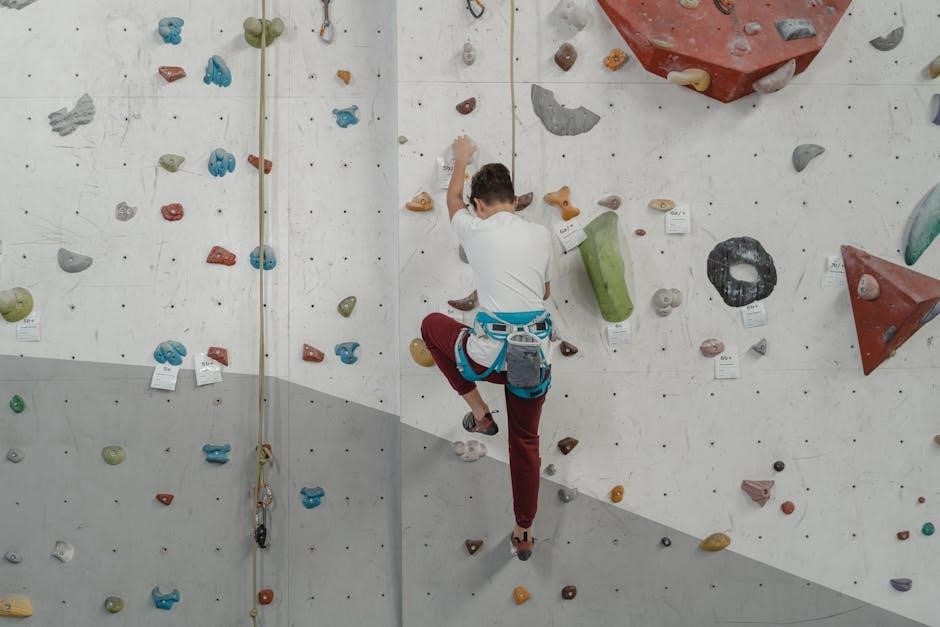
Unlike general cardiovascular fitness, climbing endurance demands sustained effort in a unique movement pattern. It’s not about running a marathon; it’s about maintaining a consistent rhythm, much like the driving beat of rock and roll. This training focuses on your ability to repeatedly execute climbing movements without significant performance decline.
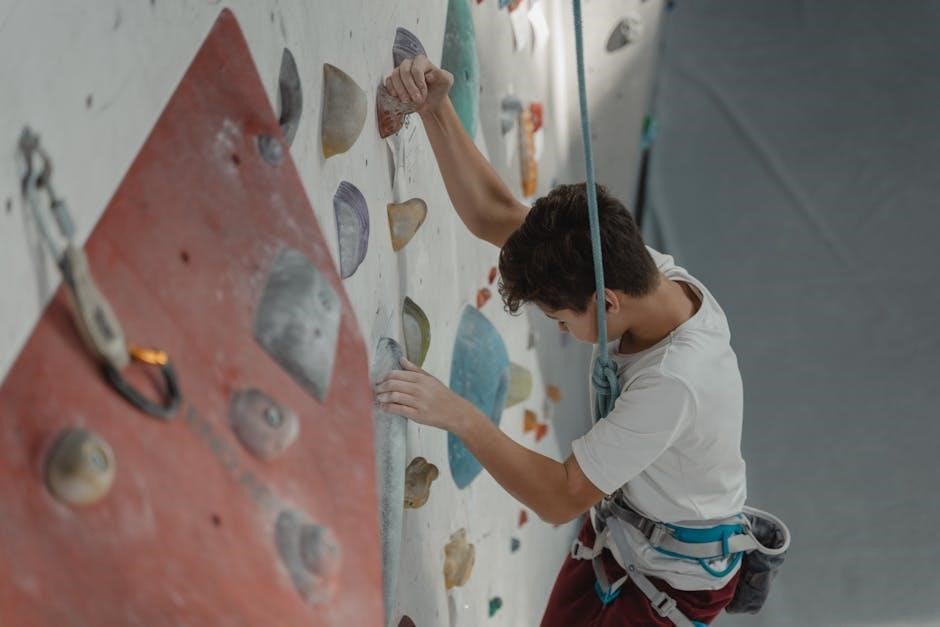
Circuit training on the wall is highly effective. Create sequences of moderate difficulty and climb them repeatedly with minimal rest. ARC (Aerobic Restoration and Capillarity) training – long, easy climbs – builds a strong aerobic base. Think of it as the foundational rhythm section of a band, providing a steady pulse.
Interval training, alternating between high-intensity climbing and short recovery periods, mimics the demands of a challenging route. Just as the British Invasion brought a new energy to music, interval training injects intensity into your climbing. Remember, endurance isn’t just about stamina; it’s about maintaining technique and mental focus throughout a prolonged effort, mirroring the sustained performance of iconic rock artists.
IX. System Board Training
The system board is a powerful tool for isolating and improving specific climbing movements, akin to a musician practicing scales to master their instrument. Unlike natural rock, a system board presents a symmetrical grid of holds, allowing for focused repetition and targeted strength development. It’s a controlled environment for honing technique and building movement efficiency.
Training on a system board involves creating pre-defined sequences – “problems” – that emphasize specific skills like lock-offs, dynamic reaches, and footwork precision. These problems should be challenging but achievable, pushing your limits without compromising form. Think of it as deconstructing a complex rock climb into its fundamental components.
System board sessions should be structured with clear goals and progressive overload. Just as rock and roll evolved from its initial form, your system board training should continually adapt to challenge your growing abilities. Focus on quality over quantity, prioritizing precise movement and controlled execution. This targeted approach builds a solid foundation for success on real rock.
X. Campus Board Training

The campus board represents a significant leap in climbing training intensity, demanding explosive power and exceptional finger strength – a bit like the energetic performances of early rock and roll pioneers like Jimi Hendrix. It consists of wooden slats arranged vertically, challenging climbers to ascend using only their hands, relying on dynamic movements and precise body positioning.
Campus boarding isn’t about simply pulling yourself up; it’s about controlled explosions and efficient energy transfer. Start with basic movements like matching hands on the same rung, gradually progressing to more complex sequences like deadpoints and campus laps. Proper technique is paramount to avoid injury, mirroring the careful artistry of musicians like Eric Clapton.
Like the British Invasion brought a new energy to music, campus boarding introduces a new dimension to your climbing strength. Sessions should be short and focused, prioritizing quality over quantity. Remember, the goal isn’t to conquer the board in one go, but to progressively build the strength and coordination needed to tackle increasingly challenging routes.

XI. Power Endurance Drills
Power endurance drills bridge the gap between raw strength and sustained performance, much like how rock and roll evolved from its initial burst of energy into a more encompassing musical style. These drills focus on maintaining power output over extended periods, crucial for tackling long routes or challenging boulder problems.
A cornerstone drill involves 4x4s – climbing four boulder problems of moderate difficulty, four times in a row, with minimal rest. Another effective method is linked traversing, where you continuously move horizontally across a wall, focusing on maintaining consistent tension and precise footwork. Think of it as a climbing equivalent to a band playing a high-energy setlist.
These drills aren’t about maxing out on every move; they’re about finding a sustainable pace and maintaining good technique even when fatigued. Just as Bob Dylan amplified his instruments to reach a wider audience, power endurance drills amplify your climbing capacity. Remember to prioritize controlled movements and efficient breathing throughout each session.

XII. Flexibility and Mobility for Climbing
Flexibility and mobility are often overlooked, yet they are foundational to efficient movement and injury prevention, mirroring how the British Invasion revitalized rock and roll with fresh perspectives. Climbing demands a full range of motion in the hips, shoulders, and ankles, allowing for precise foot placements and dynamic reaches.
Dynamic stretching, performed after a warm-up, prepares muscles for activity. Include exercises like leg swings, arm circles, and torso twists. Static stretching, holding a stretch for 30 seconds, is best reserved for cool-downs. Think of it as allowing your body to “recover” after a performance, like Rock Hudson after filming a movie.
Mobility work, focusing on joint health, is equally vital. Foam rolling, lacrosse ball massage, and joint rotations can address restrictions and improve movement patterns. Prioritizing these elements isn’t merely about increasing flexibility; it’s about optimizing your body’s ability to navigate the complexities of the rock face, much like a skilled musician navigates a complex song.
XIII. Warm-up and Cool-down Routines
A structured warm-up is crucial, preparing your muscles and nervous system for the demands of climbing, akin to the Beatles’ meticulous preparation before their historic arrival in New York City. Begin with 5-10 minutes of light cardio, like jumping jacks or jogging, to increase blood flow.

Follow this with dynamic stretching – arm circles, leg swings, torso twists – focusing on movements that mimic climbing actions. Specific exercises like wrist rotations and finger extensions are essential. A proper warm-up minimizes injury risk and maximizes performance.
Cool-downs are equally important, aiding recovery and reducing muscle soreness. Static stretching, holding each stretch for 30 seconds, should target major muscle groups used during climbing. Incorporate foam rolling to release tension. Just as Rock Hudson needed recovery time after filming, your body needs time to recover after a climb. This routine ensures longevity and sustained progress, much like the evolution of rock music itself.
XIV. Nutrition for Rock Climbers
Fueling your body effectively is paramount for optimal climbing performance, mirroring the sustained energy required for a full rock and roll concert. A climber’s diet should prioritize complex carbohydrates for sustained energy, like whole grains and sweet potatoes. These provide the fuel needed for endurance, similar to how the British Invasion sustained its musical momentum.
Lean protein is vital for muscle repair and growth – think chicken, fish, beans, and lentils. Healthy fats, found in avocados and nuts, support hormone production and overall health. Hydration is non-negotiable; dehydration significantly impairs performance.
Consider timing your nutrient intake around training sessions. Consume a carbohydrate-rich meal 2-3 hours before climbing and a protein-rich snack within 30-60 minutes post-climb. Avoid processed foods and excessive sugar, as they offer fleeting energy. Just as artists like Tina Turner maintained peak performance through discipline, a focused diet will elevate your climbing.
XV. Mental Training and Visualization
Climbing isn’t solely a physical endeavor; a strong mental game is crucial, akin to the artistic vision of Bob Dylan evolving folk music into electric rock. Visualization techniques allow climbers to mentally rehearse routes, building confidence and reducing anxiety. Imagine yourself successfully executing each move, feeling the holds, and maintaining balance.
Develop a pre-climb routine to center yourself and focus your attention. This could involve deep breathing exercises or positive self-talk; During a climb, manage fear and doubt by focusing on the present moment and breaking down the route into smaller, manageable sections.

Embrace failure as a learning opportunity, mirroring how The Beatles transformed the commercial landscape of rock and roll. Cultivate a growth mindset, believing that your abilities can be developed through dedication and hard work. Mental resilience, like Rock Hudson’s public courage, is a powerful asset.
XVI. Periodization and Training Planning

Effective climbing training requires a structured approach, much like the evolution of rock music from its 1950s origins to the British Invasion. Periodization involves dividing your training into distinct phases – base, build, peak, and recovery – to optimize performance and prevent plateaus.
The base phase focuses on building a foundation of strength, endurance, and technique. The build phase increases intensity and volume, targeting climbing-specific skills. The peak phase refines performance for competitions or challenging climbs. Recovery is crucial for allowing your body to adapt and rebuild.
A well-designed training plan should incorporate a variety of exercises, including strength training, fingerboard work, and climbing-specific drills. Consider your individual goals, strengths, and weaknesses when creating your plan. Just as artists like Tina Turner sustained success, consistency is key. Monitor your progress and adjust your plan as needed, embracing the dynamic nature of training.



About the author